B2B software · plan · design · build
Requirements,
forged into software
Notes scattered across meetings, a prototype that stalled at 80% built with AI, exception rules that live only in someone's head. We plan, design, and build in one place — into software that actually runs, and keeps running.
Strip down, refine, hand off
We redefine what to build first
Instead of writing down a feature list, we start with who can't do what without it. Interviews and workflow observation surface the real bottlenecks, and we cut what doesn't need to be built. The output of this stage isn't a screen — it's an agreed definition of the problem.
- User interviews
- Workflow analysis
- Requirements spec
- Scope & priority
Screens people use eight hours a day
B2B screens need to feel familiar in the hand before they look pretty. We validate with prototypes carrying real data and edge states, and cut clicks out of repetitive work. Components and tokens are organized so nothing gets redrawn in development.
- Information architecture
- Interactive prototype
- Design system
- Usability review
So the team taking over can keep fixing it
A product only runs for real when the deploy pipeline, tests, and operations docs come with it. We set up internal-system integration and permissions early, and leave code your team can maintain after handover.
- Web applications
- Internal-system integration
- Data pipelines
- Deploy & ops handover
What we've delivered
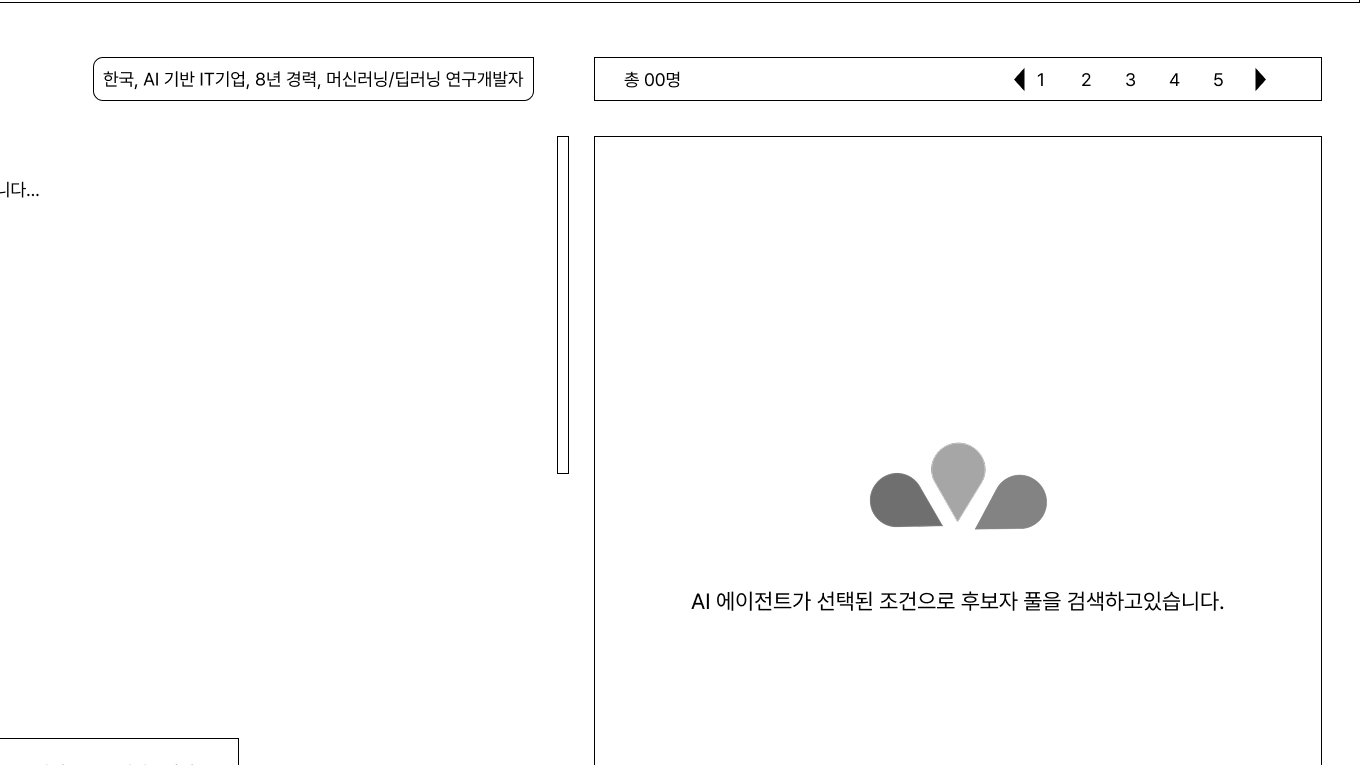
- Industry
- HR tech · hiring-match platform
- Scope
- UX audit · flow redesign · wireframes
- Duration
- Jan 31 – Feb 6, 2026 (1 week)
The Hiring-Match UX That Turned a Wall of Filters Into a Conversation
Redesigned a hiring-match search that used to demand 4–5 conditions on one screen into a step-by-step conversational flow where the AI asks back and shows its reasoning.
See details →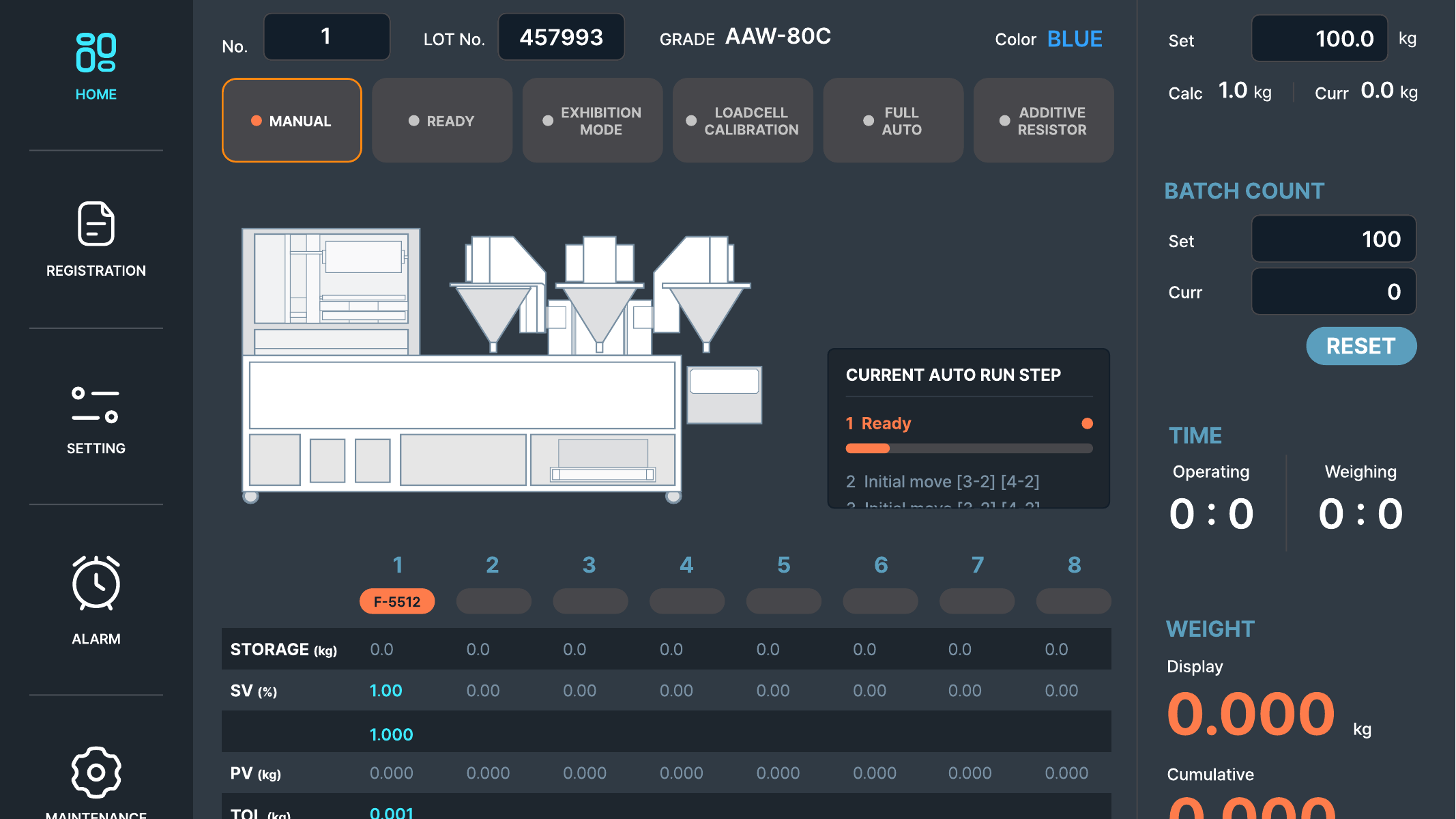
- Industry
- Industrial equipment · batching control
- Scope
- HMI UX audit · screen redesign
- Duration
- 2026.02.10 ~ 2026.02.14 (5 days)
HMI Redesign for a Batching Control System
Redesigned the operator screen for an industrial batching-control HMI — clearer status at a glance, fewer mis-clicks during setpoint entry.
See details →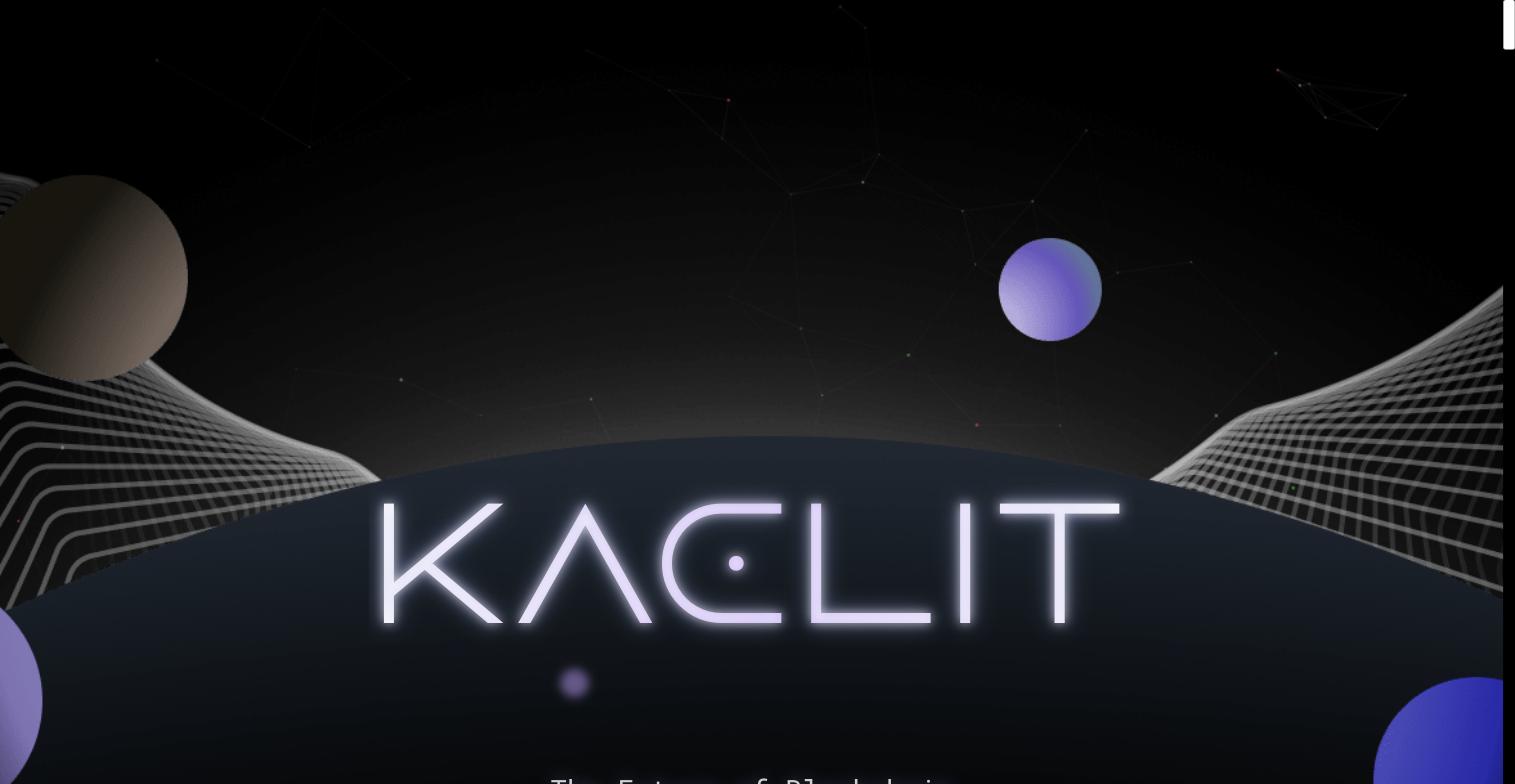
- Industry
- Blockchain · crypto
- Scope
- UI/UX design (landing page)
- Duration
- 2026.03.17 ~ 2026.03.19 (2 days)
Kaelit
UI/UX design for a blockchain project landing page. A dark theme that feels like floating in space builds trust and a sense of the future.
See details →Plan, design, build — in one place
Juseok Metallurgy connects planning, design, and development in one flow. Defining the problem, drawing the screens, and writing the code don't happen in separate silos — so nothing leaks or gets redrawn at each handoff.
What we're good at is clear: turning unsorted requirements into screens and systems people actually use. We find the real problem through interviews, refine it into screens made for eight-hour days, and leave code the receiving team can keep fixing.
These days, as often as projects from scratch, we're asked to take over what AI or no-code started and stalled. Demos that got stuck at real data, permissions, internal integration, or performance — we don't restart them; we set what's there into a real, running service.
Between the subcontracting layers of large SI firms and freelancer matching — we work at the scale where one place owns it from start to handover.
- Plan
- User interviews · requirements · scope & priority
- Design
- IA · interactive prototype · design system
- Build
- Web apps · internal integration · data pipelines
- Take-over
- Finish AI/no-code builds · stabilize · productionize
- Handover
- Deploy & ops docs · maintenance
- Fast turnaround
- Requirements followed down to the detail
- On-schedule delivery · many repeat clients
One place — so it's faster and more reasonable
Ordering planning, design, and development separately adds coordination cost and handoff loss. Running them as one flow removes that waste, so you get the same result at a more reasonable cost than the market. Start with only as much as you need.
Problem definition
We confirm what to build. Requirements spec, screen list, and estimate basis. Stop here and hand it to another team if you like.
Plan + design
A prototype with real data and a design system. The right scope when you already have a dev team.
Plan · design · build
Deploy, tests, and ops docs in one pass. Four weeks of free support after handover. One-stop is where the gain is biggest.
We take over what stalled — and ship it
If an AI or no-code build reached a demo but stalled on real data, permissions, internal integration, or performance, we don't start over. We assess what's there and set it into a real service, re-forging only what needs it. Start from "this much works, but it's stuck here."
- Fixed priceA fixed amount for the agreed scope. Not billed by the hour.
- RevisionsNo limit within scope. Only out-of-scope requests are quoted separately.
- PaymentKickoff 40 · Midpoint 30 · Handover 30.
- IP rightsOn final payment, all source and design originals transfer to the client.
Answered ahead of time
How is pricing decided?
A fixed price for the agreed scope — not hourly. After the diagnosis stage, what to build is settled, so the estimate is grounded. Running it as one flow is more reasonable than ordering each stage separately.
How long does it take?
Roughly one week for diagnosis, 3–4 weeks for plan + design, and 6–8 weeks for the full plan·design·build. We confirm the exact schedule at kickoff and share checkpoints along the way.
Can we sign an NDA?
Yes. On request we sign an NDA before the inquiry and consultation stage. Sensitive material is taken only as far as needed, and destroyed on an agreed timeline after the project.
Who owns the source and design files?
On final payment, all rights to the source code and design originals transfer to the client, organized with docs so your team can maintain it. Portfolio disclosure is agreed separately.
Can you work with our existing team or code?
Yes. You can start with a partial scope — diagnosis only, or plan + design only. We hand over deliverables in a form your in-house team or existing vendor can pick up.
Do you handle maintenance after handover?
The full tier includes four weeks of free support after handover, after which it can convert to a monthly maintenance agreement. Remote by default, with visits and meetings as needed.
Bring us the
raw problem
Unsorted requirements are fine. Defining what the problem is — together — is the first step of the process. We reply within two business days, and the first meeting is free.
- hello@juseok.kr
- Response
- Within 2 business days · first meeting free (remote/on-site)